
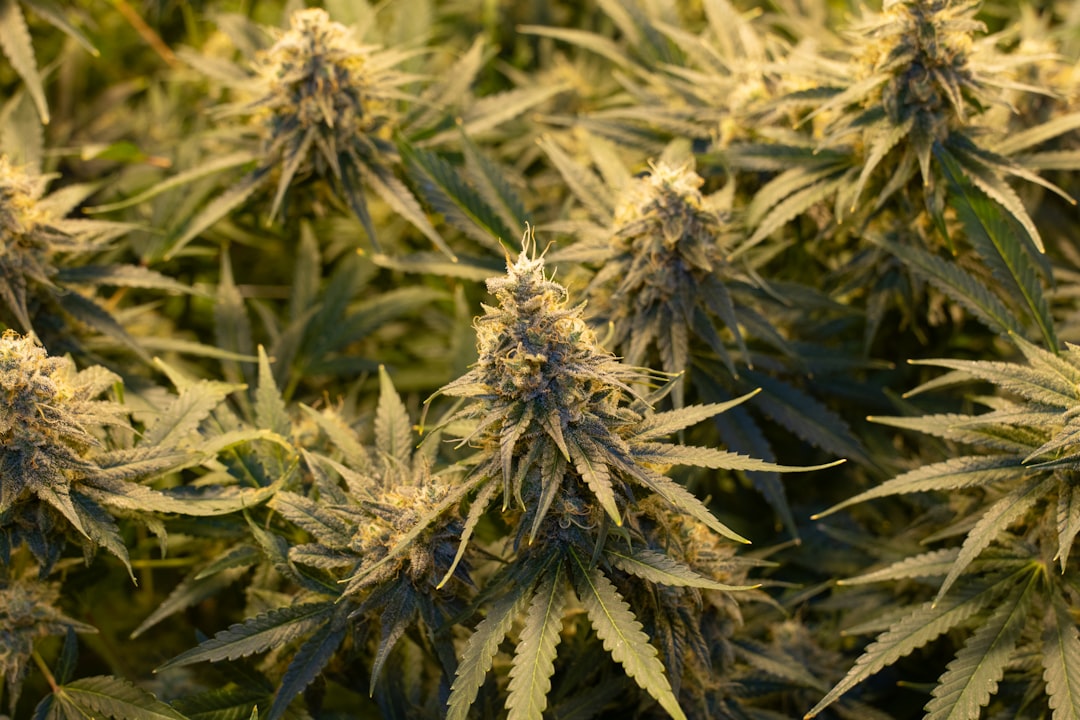
What shapes bud traits?
A lot comes down to genetics crossed with whatever conditions a plant actually lived through while maturing. Even cuttings from the same source end up looking different once they’ve grown somewhere new.
Genetic lineage sets the starting point, shape, density, and how calyxes form, before anything environmental even enters the picture. Some lines stack tight and compact, almost no matter what, others stay loose and airy regardless of how carefully someone raises them. Environmental pressure builds on top of that baseline, though nudging trichome coverage, colour, and resin output toward outcomes that genetics alone wouldn’t fully explain. Shoppers looking for top-shelf hemp flower tend to notice these differences right away, bud structure shifts noticeably even between plants raised under fairly similar setups. Light intensity during flowering matters as well; it forces resin glands to multiply, a natural defence mechanism. During flowering, temperature swings can deepen colour as well, sometimes revealing purples or reds that would otherwise be hidden under more stable conditions.
Why do trichomes vary?
Trichome density and shape shift depending on how much stress a plant soaks up while buds are still forming.
UV exposure triggers heavier resin production, trichomes work partly as sun protection, and the plant builds for itself. Plants raised under weaker or filtered light usually end up thinner, less frosted-looking by comparison. Humidity factors in, too. Drier air late in flowering tends to concentrate resin near the surface instead of spreading it out evenly. Nutrient timing pushes trichome development further still; a bit of stress right before harvest sometimes swells gland size right before buds get cut.
A few visible differences tend to show up because of this:
- Frosty, dense coatings usually point to higher light intensity during those final weeks.
- Sparse, patchy trichomes often mean lower stress or shaded growing conditions somewhere along the line.
- Colour shifts in trichome heads can reflect age, and sometimes late-season temperature drops, too.
Genetic structure determines
- Calyx size and shape trace directly back to lineage, staying consistent regardless of growing setup.
- Leaf to flower ratio varies by genetics; some lines carry heavy foliage, while others grow calyx-heavy with minimal leaf.
- Node spacing differs across strains; certain lines stretch out with wide gaps, while others cluster tightly together.
- Bud density stays tied to genetic architecture, dictating whether formations turn out elongated or rounded from the start.
- These structural traits hold steady across different environments, since genetics sets the plant’s basic framework no matter where it grows.
Environmental stress effects
Stress during growth, whether it comes from light, temperature, or airflow, reshapes bud characteristics in ways genetics alone can’t fully explain.
Wind outdoors thickens stem structure and can tighten bud formation a bit compared to still indoor air. Cooler night temperatures during flowering often intensify pigmentation, pulling out colours that stay dormant under constant warmth otherwise. Humidity swings during the final stretch shift density too; drier stretches tend to concentrate resin, while damper conditions can loosen bud structure somewhat. Each of these pressures stacks onto genetic baseline traits, and together they produce whatever specific bud characteristics show up by the time harvest finally arrives.