
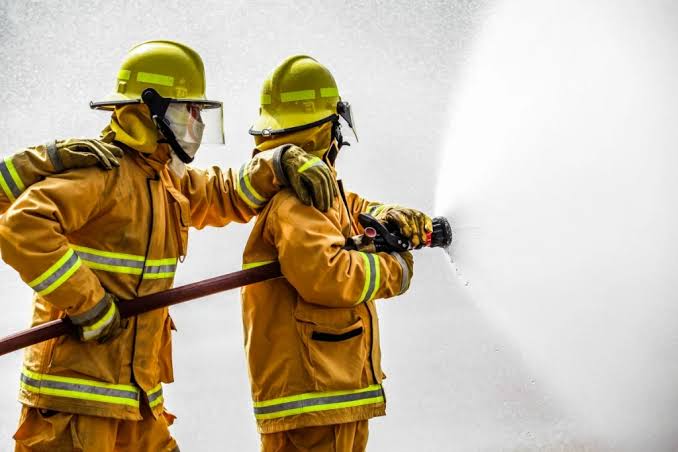
Commercial fires cause significant disruption—lost inventory, structural damage, operational downtime, and in the worst cases, injuries. The U.S. Fire Administration reports that businesses that experience a major fire and lack adequate emergency protocols are far more likely to face permanent closure within one year of the incident.
One of the most practical and legally mandated safeguards available during periods of fire system vulnerability is professional fire watch services. If you’ve recently searched for fire watch guards near me, you’re already asking the right question.
What Triggers a Fire Watch Requirement?
A fire watch is activated when a building’s primary fire detection or suppression system becomes temporarily non-operational. Common triggers include:
Planned system maintenance that requires shutting down sprinklers or alarms
Unexpected equipment failure or pipe damage
Construction or renovation that interrupts fire protection infrastructure
Power outages affecting alarm panel functionality
In most jurisdictions, building owners are required by code to notify the local fire authority of any system impairment and to deploy fire watch personnel when the outage extends beyond a defined duration—often four hours within a 24-hour period under NFPA standards.
The Legal Framework Governing Fire Watch
Fire watch requirements are rooted in nationally recognized standards, primarily NFPA 101 (Life Safety Code) and NFPA 25 (Standard for the Inspection, Testing, and Maintenance of Water-Based Fire Protection Systems). Most state and municipal fire codes adopt these standards, sometimes with additional local requirements.
Key legal obligations for property owners typically include:
Immediate notification to the authority having jurisdiction (AHJ) when a system goes offline
Deployment of fire watch personnel within a specified timeframe
Maintenance of accurate, written patrol logs throughout the watch period
Restoration of the system as quickly as practicable
Failure to comply can result in civil penalties, forced evacuation orders, and significantly increased liability in the event of a fire-related claim.
How Fire Watch Guards Are Trained
Professional fire watch guards receive specific training that distinguishes them from general security personnel. Their preparation typically covers:
Familiarity with NFPA fire watch protocols and documentation standards
Recognition of fire hazards and conditions that increase ignition risk
Proper use of portable fire extinguishers
Emergency communication procedures, including when and how to alert fire departments
Evacuation coordination and occupant safety support
This training ensures that guards can do more than simply observe—they can identify developing risks, intervene appropriately, and coordinate a structured emergency response.
Industries with the Highest Fire Watch Demand
Several sectors consistently require fire watch services due to the complexity of their operations:
Construction: Active job sites routinely involve hot work—welding, cutting, and grinding—that mandates a fire watch both during and after operations.
Healthcare: Hospitals operate 24 hours a day and frequently undergo system maintenance without the ability to evacuate patients, making fire watch an essential operational tool.
Manufacturing: Facilities handling flammable materials or operating high-temperature processes face elevated fire risk, particularly during equipment servicing.
Hospitality: Hotels and convention centers must maintain guest safety even when fire systems undergo planned maintenance, often requiring overnight fire watch coverage.
The Cost-Benefit Perspective
Fire watch services represent a modest operational expense relative to the financial exposure they mitigate. Consider that the average commercial fire insurance claim exceeds $35,000—a figure that grows considerably when structural damage, business interruption, and liability are factored in.
A multi-day fire watch engagement, by comparison, typically costs a fraction of that amount. For property owners and risk managers, the return on this investment is straightforward.
Responding to a Fire Watch Requirement
When a system outage occurs, the timeline matters. Property managers should have a pre-established relationship with a qualified fire watch provider to ensure rapid deployment. Key steps include:
Notify the local fire authority per code requirements
Contact your fire watch provider immediately
Brief arriving guards on the property layout and any active hazards
Ensure guard logs are being maintained from the first patrol
Coordinate system restoration with your fire protection contractor
Preparation turns a stressful situation into a manageable one.