
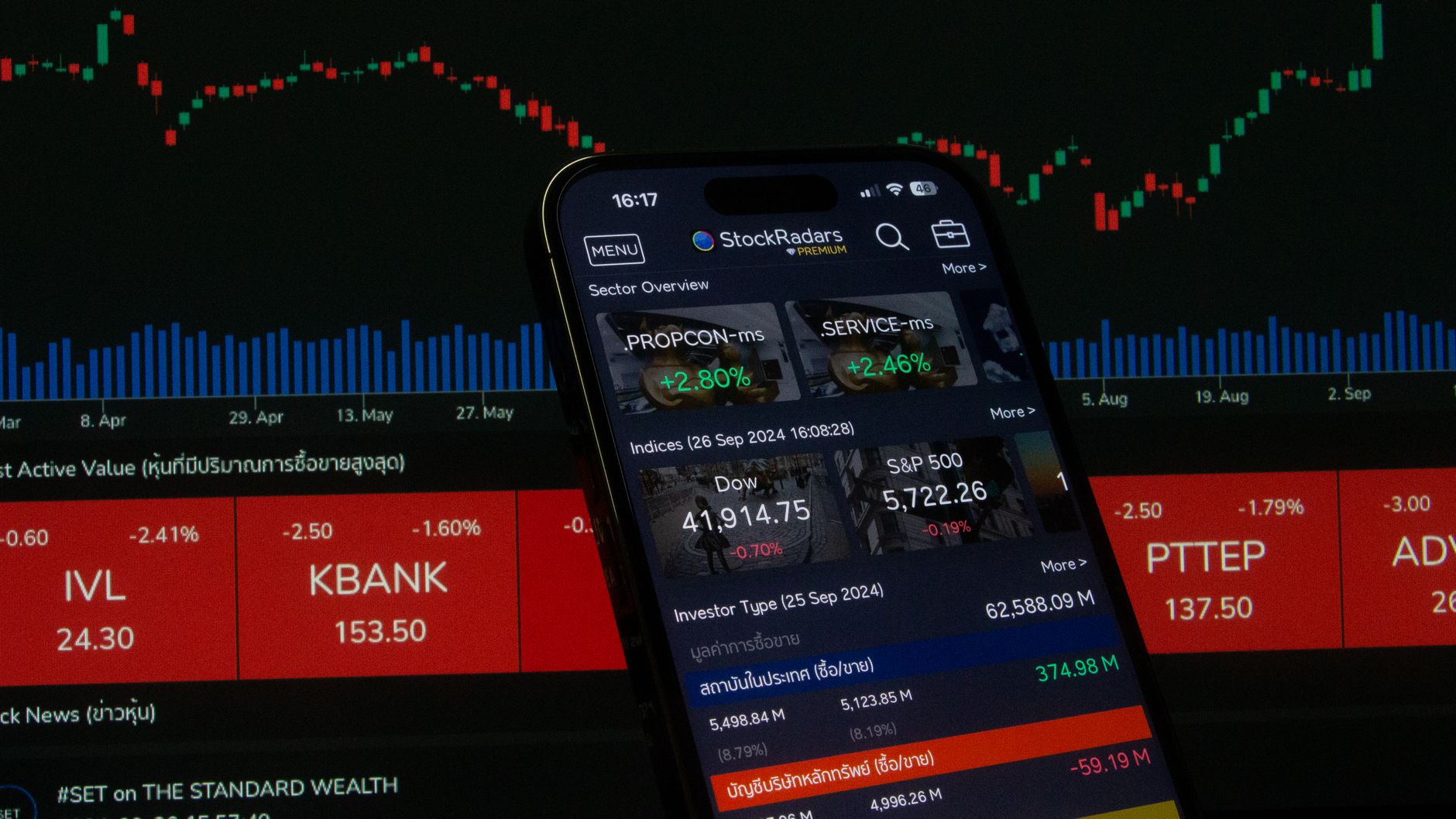
Sensex Nifty market performance has finally turned around, snapping an 8-week losing streak as crude prices subside. Investors are optimistic about the recovery.
Understanding the Recent Market Trends
The recent performance of the Sensex and Nifty has shown a remarkable turnaround, ending an eight-week losing streak. Investors are beginning to regain confidence as market dynamics shift, driven by several key factors.
One of the primary influences on this rebound has been the decline in crude oil prices, which has alleviated inflationary pressures. As crude subsides, concerns over rising costs for consumers and businesses diminish, creating a more favorable environment for growth.
Additionally, the global economic outlook is showing signs of stabilization, encouraging domestic investors to re-enter the market. Analysts note that the Sensex Nifty market performance has also been buoyed by strong corporate earnings reports from various sectors, further indicating resilience within the economy.
Despite these positive trends, experts advise caution as volatility remains a constant threat. The market is still navigating through geopolitical uncertainties and fluctuating interest rates. Investors are encouraged to stay informed and adapt their strategies to maximize potential gains while mitigating risks.
In conclusion, the recent surge in the Sensex and Nifty reflects a combination of favorable economic indicators and investor sentiment, marking a significant shift in the market landscape.
Impact of Crude Oil Prices on Markets
The recent fluctuations in crude oil prices have significantly impacted the performance of the Sensex and Nifty, contributing to a notable rebound in the markets. After an extended period of decline, where both indices faced an eight-week losing streak, the stabilization of crude prices provided a much-needed boost.
As crude oil prices began to subside, investor sentiment improved, leading to increased buying activity across various sectors. The decline in oil prices eased inflationary concerns, allowing market participants to regain confidence in the economic outlook.
Key factors include:
- Reduced Costs: Lower crude prices translate to decreased production costs for many companies, enhancing profit margins.
- Inflation Control: Easing oil prices help in controlling inflation, which is crucial for future monetary policy decisions.
- Global Market Dynamics: The performance of international markets, reflecting similar trends in oil prices, also influenced domestic sentiment.
Overall, the improved sentiment surrounding the Sensex and Nifty market performance appears to be closely linked to developments in crude oil prices, demonstrating the interconnectedness of global commodities and financial markets.
Investor Sentiment Analysis
Investor sentiment has shown a marked shift following the recent performance of the Sensex and Nifty, which ended an eight-week losing streak. This rebound can largely be attributed to easing crude oil prices, which had previously weighed heavily on market confidence.
Many market participants expressed relief as the indices bounced back, indicating a potential stabilization in the economy. The positive momentum was fueled by several factors:
- Improved Economic Indicators: Recent data reflecting economic growth have reassured investors about the resilience of the Indian economy.
- Corporate Earnings: Better-than-expected quarterly earnings from key sectors have instilled confidence in market performance.
- Global Market Trends: International markets have also shown signs of recovery, encouraging local investors to re-enter the market.
Despite the positive outlook, some analysts caution against over-optimism, noting that the Sensex Nifty market performance could still be influenced by geopolitical tensions and inflationary pressures. As investors remain vigilant, the focus will likely shift to upcoming economic reports and their potential impact on future market movements.
Historical Performance of Sensex and Nifty
The historical performance of Sensex and Nifty has shown resilience through various market challenges. Over the years, these indices have demonstrated robust recovery patterns, often rebounding after periods of volatility. This recent quick rebound is a testament to the strength of these indices, as they ended an eight-week losing streak, showcasing their ability to adapt to shifting economic conditions.
Investors have observed that the Sensex has traditionally reflected the economic pulse of India, while Nifty serves as a benchmark for the broader market. Key factors influencing their historical performance include:
- Global Economic Conditions: International events often trigger fluctuations in both indices.
- Domestic Policy Changes: Government reforms and policy changes can significantly impact investor confidence.
- Market Sentiment: Investor behavior and sentiment play crucial roles, affecting buying and selling patterns.
Furthermore, the performance of Sensex and Nifty is also influenced by liquidity in the market, driven by foreign investments and institutional buying. As analysts closely monitor these trends, the recent market performance highlights a potential shift towards more optimistic investor sentiment.
Future Projections for Indian Stock Market
As analysts look ahead, the future projections for the Indian stock market indicate a cautious optimism following the recent rebound in Sensex and Nifty. This bounce back has ended an 8-week losing streak, suggesting that investors are regaining confidence.
Several factors are expected to influence market performance in the coming months:
- Economic Recovery: Signs of economic growth, driven by increased consumer spending and government initiatives, may support positive market momentum.
- Global Market Trends: The performance of international markets, particularly in the face of fluctuating interest rates and inflation concerns, could have ripple effects on the Sensex and Nifty.
- Corporate Earnings: Upcoming quarterly results will be crucial, as strong earnings reports may provide the necessary boost for sustained market gains.
- Regulatory Developments: Any changes in government policies or regulations could significantly impact investor sentiment and market dynamics.
- Geopolitical Factors: Tensions in global politics can create uncertainty, which may affect foreign investment and overall market stability.
In summary, while the Sensex Nifty market performance shows signs of recovery, cautious monitoring of these factors will be essential for future investment decisions.
Key Takeaways from Today’s Market Rebound
Today’s market performance marked a significant rebound for the Sensex and Nifty, ending an eight-week losing streak that had investors on edge. Key takeaways from this recovery highlight the resilience of the Indian stock market.
- Strong Buying Interest: There was a noticeable surge in buying activity across multiple sectors, indicating renewed investor confidence.
- Sector Performance: Leading sectors such as banking, IT, and consumer goods showed substantial gains, contributing to the overall positive sentiment.
- Global Cues: Positive trends in global markets, coupled with easing crude oil prices, provided a favorable backdrop for the rebound in the Sensex Nifty market performance.
- Technical Indicators: Analysts noted that the market’s recovery was supported by key technical indicators, suggesting that the bullish trend may continue in the short term.
- Investor Strategies: Many investors are now revisiting their strategies, focusing on sectors that are expected to benefit from the current economic environment.
This swift rebound illustrates the dynamic nature of market performance and the potential for recovery after challenging periods.
The recent uptick in the Sensex Nifty market performance has brought a sense of optimism among investors. Analysts believe that this quick rebound in the Sensex Nifty market performance could indicate a more stable economic outlook ahead.
Photo by StockRadars Co., on Pexels
References
Related stories
Nuvacore Data Center Processor: The Smart Investment You Need · Algorithmic Tax Loss Harvesting: Is It the Best Strategy? · Gandhar Oil Refinery profit: Best Proven Strategies for Growth