
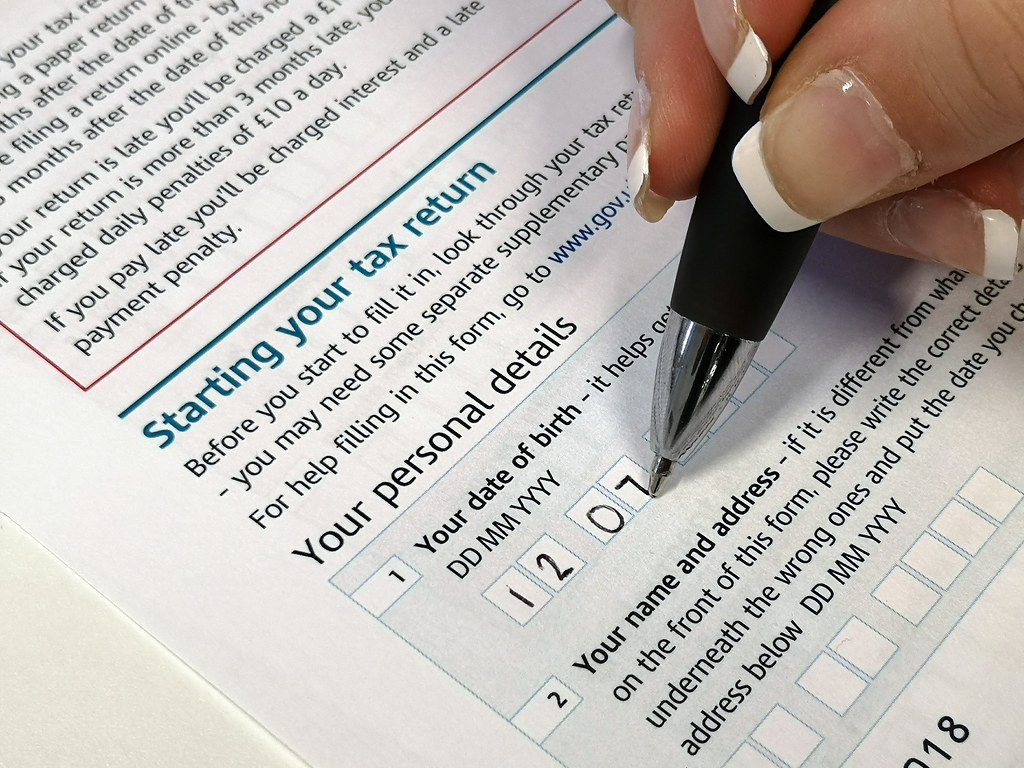
self-employed tax return can be a daunting experience for many. As the deadline approaches, individuals brace themselves for the complexities and potential pitfalls involved in filing their taxes.
Understanding Tax Returns for the Self-Employed
Understanding tax returns for the self-employed can be a daunting task. Many individuals dread the approach of the tax season, especially when it comes to filing their self-employed tax return. The complexities involved can lead to confusion and anxiety.
For the self-employed, keeping accurate records throughout the year is crucial. This includes:
- Documenting all income sources
- Tracking business expenses
- Maintaining receipts and invoices
Failure to organize these documents can result in missed deductions and potential penalties. Additionally, understanding the various tax obligations, such as estimated taxes, is vital. It’s essential for self-employed individuals to stay informed about tax law changes that may impact their returns.
While the process may feel overwhelming, proper planning and organization can alleviate some of the stress associated with filing a self-employed tax return.
Common Mistakes to Avoid
Filing a self-employed tax return can be a daunting task, and avoiding common mistakes is essential for a smooth process. Here are some pitfalls to watch out for:
- Neglecting to keep accurate records: Failing to track income and expenses throughout the year can lead to missing deductions.
- Mixing personal and business expenses: Keeping separate accounts helps in accurately reporting business income and expenses.
- Ignoring deadlines: Late submissions can result in penalties and interest charges, making the process even more painful.
- Overlooking deductions: Familiarize yourself with potential tax deductions that are available to self-employed individuals.
- Not seeking professional help: Consulting a tax professional can provide valuable insights and help avoid costly mistakes.
By steering clear of these errors, self-employed individuals can ease the burden of their tax return process.
Preparing for Tax Season
As tax season approaches, self-employed individuals must prepare for the often daunting task of filing their self-employed tax return. The process can feel overwhelming, but a little organization can make it less painful.
Here are some essential steps to take in preparation:
- Gather Documentation: Collect all relevant financial documents, including invoices, receipts, and bank statements.
- Track Expenses: Keep a detailed record of business expenses, as these can be deducted to reduce taxable income.
- Review Last Year’s Return: Familiarize yourself with the previous year’s tax return to ensure consistency and identify potential changes.
- Consider Professional Help: If the process seems too complex, hiring a tax professional can provide valuable guidance.
By taking these steps, self-employed individuals can navigate their tax return with greater confidence and ease.
Deadlines and Important Dates
For those who are self-employed, keeping track of self-employed tax return deadlines is crucial to avoid penalties. The main deadline for submitting tax returns is usually April 15th, but it can vary slightly each year. Here are some important dates to keep in mind:
- January 15: Estimated tax payments due for the fourth quarter.
- April 15: Final tax return due for the previous year.
- June 15: Estimated tax payments due for the second quarter.
- September 15: Estimated tax payments due for the third quarter.
It is also advisable to file for an extension if you need more time. However, remember that an extension to file does not mean an extension to pay any taxes owed.
Tax Deductions for Freelancers
Tax deductions play a crucial role in reducing the taxable income for freelancers. Understanding which expenses can be deducted is essential for a smooth self-employed tax return process. Here are some common deductions that self-employed individuals should consider:
- Home Office Expenses: If you use a part of your home exclusively for work, you may be able to deduct related costs, including utilities and rent.
- Equipment and Supplies: Costs for tools, software, and supplies necessary for your work can often be deducted.
- Business Travel: If you travel for business purposes, you can claim expenses such as airfare, lodging, and meals.
- Professional Services: Fees paid to accountants, consultants, or legal professionals can also be deductible.
Being aware of these deductions can significantly ease the burden during the self-employed tax return process.
How to Simplify the Process
Simplifying the process of filing your self-employed tax return can significantly reduce stress and potential errors. Here are some strategies to make this ordeal more manageable:
- Stay Organized: Keep all financial records, invoices, and receipts in one place throughout the year. This will save time when it comes to filing your taxes.
- Use Accounting Software: Investing in reliable accounting software can streamline your bookkeeping and simplify your self-employed tax return.
- Consult a Tax Professional: Hiring an expert can provide valuable insights and help you avoid common pitfalls.
- Set Aside Time: Schedule specific blocks of time dedicated solely to tax preparation, allowing you to focus without distractions.
- Educate Yourself: Familiarize yourself with tax laws relevant to the self-employed to ensure compliance and maximize deductions.
Expert Tips for Filing Taxes
Filing a self-employed tax return can be daunting, but with the right strategies, the process can be manageable. Here are some expert tips to help ease the burden:
- Stay Organized: Keep all receipts and financial records in one place throughout the year to avoid last-minute chaos.
- Use Tax Software: Consider using reliable tax software designed for self-employed individuals, as it can streamline the filing process.
- Consult a Professional: If your tax situation is complex, hiring a tax professional can save you time and potentially money.
- Review Deductions: Familiarize yourself with available deductions to maximize your tax savings.
- Plan Ahead: Start preparing your self-employed tax return early to avoid the stress of impending deadlines.
By GoSimpleTax via Openverse
Read the original
- Suraj Estate Developers: Clear September Results and Re-appointment
- Biggest IPOs in India: The Proven Success of Jio
- Bitcoin ETFs attract investment: $440.8M in four days!