
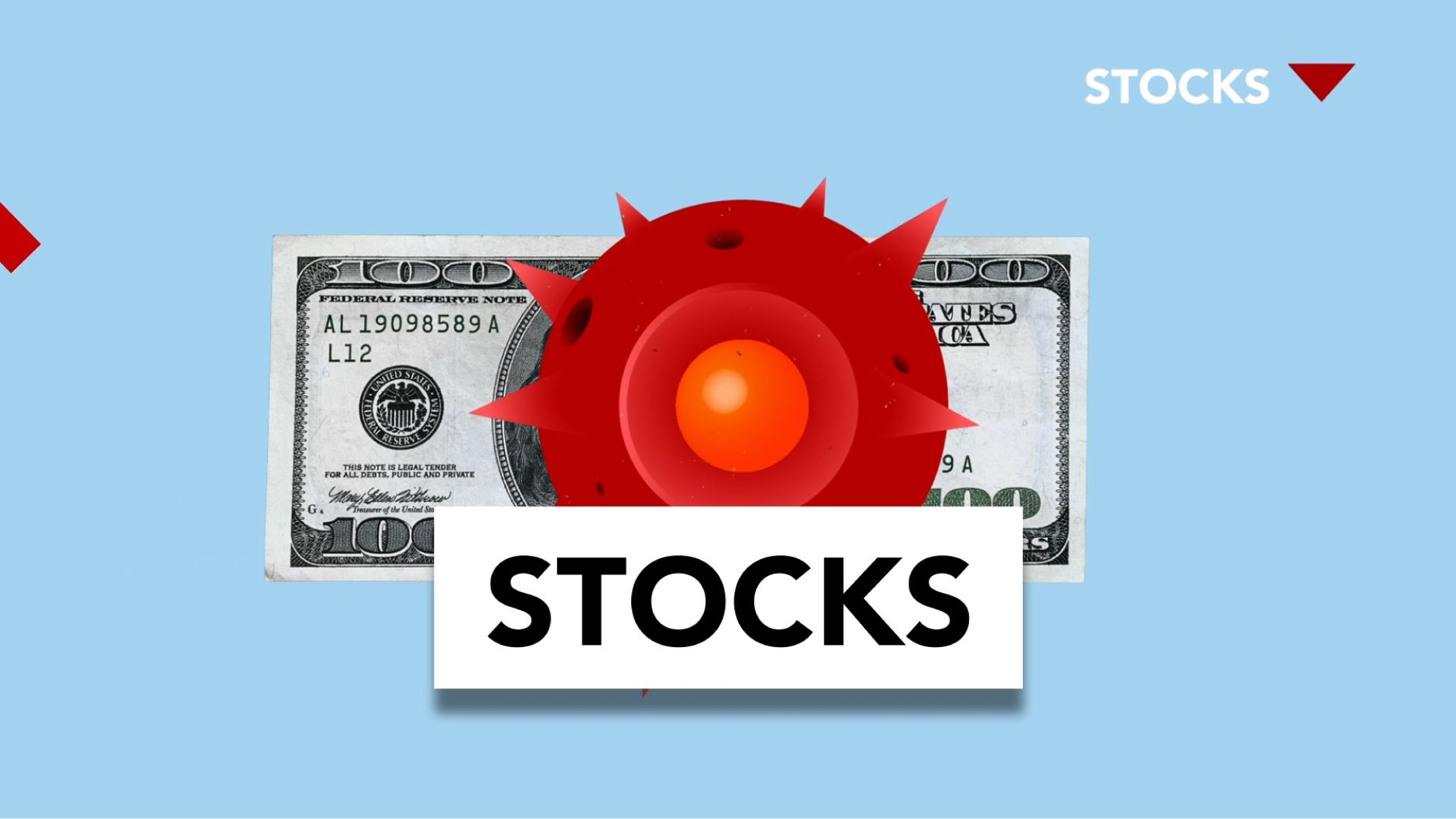
The stock market drop has caught the attention of investors as the Sensex drops 318 points due to rate hike fears. This decline marks a significant shift after a recent rally.
Understanding the Stock Market Drop
The recent stock market drop has raised concerns among investors and analysts alike. After a three-day rally, the markets faced a significant setback, with the Sensex experiencing a decline of 318 points. This downturn is primarily attributed to fears surrounding potential rate hikes, which can have profound implications for economic growth and corporate earnings.
Understanding the factors behind this stock market drop requires an examination of the current economic climate:
- Interest Rate Concerns: The anticipation of increased interest rates has led to heightened volatility. Investors worry that higher borrowing costs may slow down consumer spending and business investments.
- Inflation Pressures: Persistent inflation continues to challenge market stability. Rising prices could prompt central banks to act more aggressively, further fueling rate hike fears.
- Global Economic Influences: International markets are also feeling the impact of geopolitical tensions and supply chain disruptions, leading to a ripple effect on local stock performance.
- Market Sentiment: Investor sentiment has shifted, with many opting to sell off stocks in light of uncertainty, exacerbating the stock market drop.
As these factors unfold, the market’s trajectory remains uncertain, leaving many to wonder how long this volatility will last and what it means for future investments.
Factors Behind the Sensex Decline
The recent stock market drop has been attributed to several key factors that have contributed to the decline of the Sensex. Analysts have pointed out that investor sentiment has been largely influenced by rising concerns over potential rate hikes by central banks.
- Inflation Pressures: Persistent inflationary pressures have led market participants to speculate that central banks may implement aggressive monetary policies. This has increased apprehension among investors, prompting a sell-off in equities.
- Global Economic Slowdown: Concerns over a slowing global economy have also weighed heavily on market performance. As major economies grapple with uncertainty, investors are becoming more cautious, which has further contributed to the stock market drop.
- Geopolitical Tensions: Heightened geopolitical tensions in various regions have created an atmosphere of instability. This uncertainty often leads investors to retreat from riskier assets, amplifying the downward trend in markets.
- Corporate Earnings Outlook: A less optimistic outlook for corporate earnings in the upcoming quarters has added to the overall bearish sentiment. Investors are keeping a close eye on earnings reports, and any signs of weakness could lead to more significant declines.
As these factors continue to unfold, the stock market drop may persist, leaving investors wary of potential further declines in the coming weeks.
Investor Reactions to Rate Hike Fears
Investor reactions to the stock market drop have been swift and varied, reflecting the growing concerns over potential rate hikes by central banks. Many market participants are grappling with the implications of increased borrowing costs, which could slow down economic growth and impact corporate profitability.
As news of the rate hike fears spread, investors responded by reassessing their portfolios, leading to a significant sell-off in major indices. Some prominent reactions include:
- Increased Volatility: Traders are experiencing heightened volatility, with many stocks seeing drastic price swings as sentiment shifts rapidly.
- Flight to Safety: There has been a noticeable movement towards safer assets, such as government bonds and gold, as investors seek to protect their capital amid uncertainty.
- Sector Rotation: Certain sectors, particularly those sensitive to interest rates like real estate and utilities, have faced the brunt of the sell-off, while defensive stocks have seen increased interest.
- Market Sentiment: Analysts report a prevailing sense of caution among investors, with many adopting a wait-and-see approach until more clarity is provided on monetary policy direction.
As the market adjusts to the realities of these rate hike fears, investors are left to navigate the challenges posed by the ongoing stock market drop, hoping for stability in the near future.
Analysis of Recent Market Trends
The recent stock market drop has raised concerns among investors as market analysts assess the factors contributing to this sharp decline. Following a three-day rally, the Sensex experienced a significant fall of 318 points, reflecting heightened anxiety over potential interest rate hikes.
Market trends have shown a clear pattern influenced by macroeconomic indicators and investor sentiment. Analysts point out several key elements that have shaped the current landscape:
- Economic Data Releases: Recent reports on inflation and employment have exacerbated fears of aggressive monetary policy changes.
- Global Markets: International market trends, particularly in the United States, have a ripple effect on Indian stock performance.
- Sector Performance: Certain sectors, notably technology and finance, have been hit harder, reflecting investor apprehension about future earnings.
- Sentiment Shifts: The rapid shift in investor sentiment from optimism to caution indicates a volatile market environment.
As the market reacts to these pressures, the potential for further declines looms large. Investors must navigate this uncertain terrain with careful consideration of market fundamentals and broader economic implications. The stock market drop may serve as a wake-up call, prompting a reassessment of investment strategies amid evolving financial conditions.
Future Predictions for the Stock Market
As investors grapple with the implications of the recent stock market drop, analysts are making predictions about the future trajectory of the markets. The sentiment surrounding rate hike fears has left many wondering how long the current volatility will last and what it means for their portfolios.
Market experts suggest that the potential for further rate increases could lead to a prolonged period of uncertainty. They emphasize the importance of monitoring key economic indicators that could influence market stability. Among these indicators are:
- Inflation rates
- Employment figures
- Consumer spending patterns
- Global economic trends
Some analysts predict that if inflation remains stubbornly high, the Federal Reserve may continue to raise interest rates, which could trigger additional stock market drops. On the other hand, if inflation shows signs of easing, there could be a rebound in investor confidence.
Investors are advised to adopt a cautious approach, focusing on sectors that typically perform well during periods of economic uncertainty, such as utilities and consumer staples. Diversification remains a key strategy to mitigate risks and capitalize on potential recovery opportunities in the market.
Comparing Previous Market Drops
The recent stock market drop has drawn comparisons to previous downturns driven by similar economic concerns. Historically, investors have reacted sharply to indications of interest rate hikes, leading to significant volatility in the markets. Understanding these past events can provide insight into current investor behavior and market dynamics.
Some notable instances include:
- 2008 Financial Crisis: Following a prolonged period of low-interest rates, the Federal Reserve’s decision to increase rates led to a drastic market correction. The Dow Jones Industrial Average plummeted, losing over 30% of its value in just a few months.
- 2015 Rate Hike Announcement: The anticipation of a rate increase in December caused the S&P 500 to dip significantly, ultimately leading to a 12% decline by early 2016.
- 2020 Pandemic Response: The initial market drop in March was exacerbated by Federal Reserve signals regarding future rate adjustments, coinciding with economic uncertainty from the pandemic.
These examples illustrate a pattern where any indication of a stock market drop related to rate hikes tends to trigger both fear and selling pressure among investors. As market conditions evolve, the lessons learned from these past downturns may shape how investors react to the current climate.
Expert Opinions on Economic Outlook
As analysts assess the recent stock market drop, many experts are voicing their opinions on the economic outlook moving forward. The consensus suggests that the fears surrounding potential interest rate hikes have caused significant uncertainty among investors.
According to Dr. Emily Chen, an economist at the Finance Institute, “The stock market drop we are witnessing is a direct response to the anticipated changes in monetary policy. Investors are grappling with the implications of higher borrowing costs, which could dampen economic growth.”
Furthermore, Michael Roberts, a market strategist, emphasizes the psychological impact of rate hike fears. He notes, “Sentiment plays a crucial role in the stock market. When uncertainty looms, even a slight adjustment in interest rates can trigger a wave of selling.”
Several experts also highlight the importance of corporate earnings in this turbulent environment. Linda Greer, a financial analyst, states, “While the stock market drop is alarming, strong corporate fundamentals may provide a buffer against prolonged declines. Investors should focus on companies with robust earnings and solid growth potential.”
Overall, the feedback from these experts indicates that while the stock market faces challenges, a careful analysis of economic indicators could reveal opportunities for savvy investors willing to navigate the volatility.
Photo by Monstera Production on Pexels
Sources
You might also like
- Crystal Crop Protection IPO: Easy Gains with Proven Insights
- Retirement savings changes: What are the best new rules?
- National Vision earnings: Worst revenue miss despite profit beat