
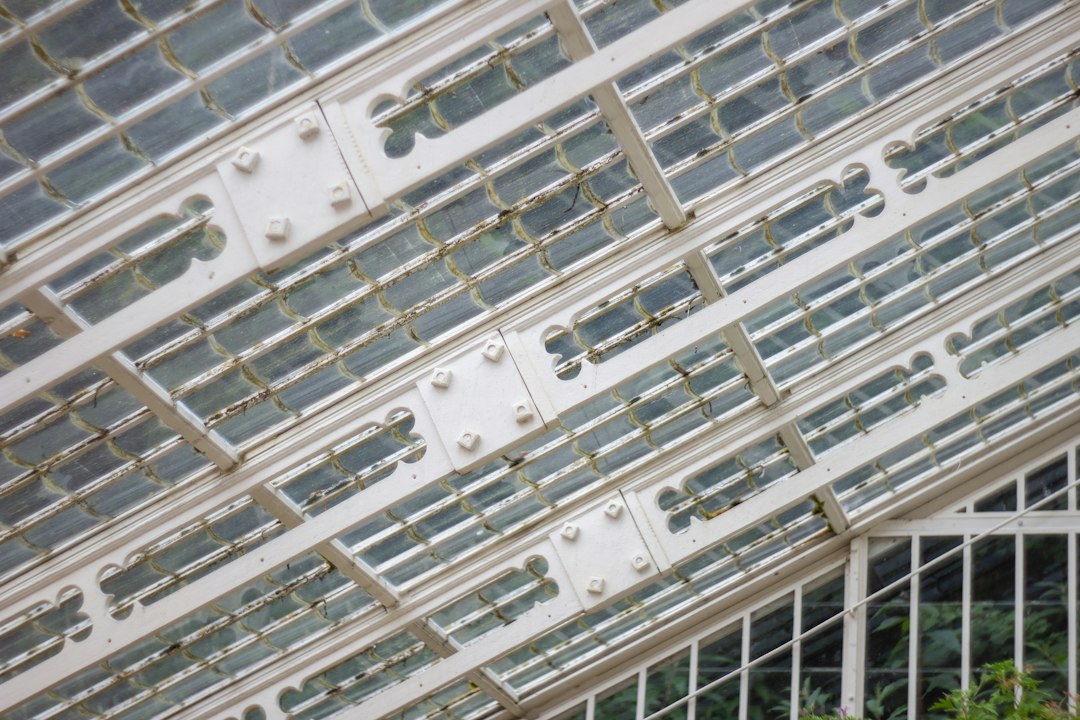
A well-maintained greenhouse provides a dependable space for growing plants, raising seedlings, and protecting crops throughout the seasons. However, glazing panels, seals, clips, and other fittings can become damaged or worn through regular use and exposure to changing weather. Exploring the available options at Greenhouse Stores helps gardeners understand the importance of choosing suitable glazing materials and replacement parts. With the right components, many common greenhouse problems can be addressed without replacing the entire structure www.greenhousestores.co.uk.
Understand Different Greenhouse Glazing Options
Greenhouse glazing influences how much natural light enters the growing space and how effectively the structure retains warmth. Glass remains a popular choice because it provides clear visibility and allows plenty of natural light to reach plants. Toughened glass offers additional strength compared with ordinary glass of similar thickness, although it can still break and requires careful handling.
Polycarbonate is another practical option. It is lightweight and resistant to impact, making it useful for gardeners who prefer an alternative to traditional glass panels. Twin-wall polycarbonate can also provide additional insulation through the air space between its layers.
When selecting replacement glazing, consider the original greenhouse design, panel dimensions, thickness, and fixing arrangement. A replacement should be compatible with the existing frame rather than selected by appearance alone.
Find the Right Replacement Glass
A cracked, broken, or missing panel can leave plants exposed to rain, wind, and colder temperatures. Replacing damaged glazing helps restore the greenhouse enclosure and maintain a more suitable growing environment.
Before choosing a replacement, identify the greenhouse model and the position of the affected panel. Measure carefully and check the original glazing specifications whenever possible. Roof, side, and end panels may have different dimensions, so assuming that every section uses the same size can lead to fitting problems.
Toughened glass must be manufactured to its final dimensions because it cannot be cut after the toughening process. For large, overhead, or unstable panels, professional assistance is a sensible precaution.
Explore Essential Greenhouse Glazing Parts
Glazing depends on more than the panels themselves. Several smaller components help hold everything securely in position and protect the structure from weather.
Common replacement parts include:
Spring clips and retaining clips that help secure glazing panels.
Overlap clips designed for particular overlapping panel arrangements.
Rubber seals and glazing strips that cushion panel edges and reduce gaps.
Nuts and bolts used to secure greenhouse frame components.
Bar capping systems that hold glazing along compatible frame sections.
Replacement acrylic or polycarbonate panels for suitable greenhouse designs.
These components perform different functions, so it is important to identify the part required before ordering. A fixing designed for one frame profile may not fit another greenhouse model.
Check Seals and Fixings Regularly
Glazing seals can deteriorate over time due to sunlight, temperature changes, and general exposure to outdoor conditions. Worn or missing seals may allow draughts and rainwater to enter the greenhouse.
Clips and fasteners also deserve attention. Loose or damaged fittings can allow panels to move, particularly during windy weather. Periodic inspections help identify these issues before they become more serious.
When checking the greenhouse, look for cracked panels, gaps around glazing, loose clips, rusted fixings, and damaged frame sections. Replace unsuitable components rather than relying on temporary adjustments that may not provide dependable support.
Choose Replacement Parts That Fit
Compatibility is one of the most important considerations when buying greenhouse spares. Check the manufacturer, model, frame profile, panel thickness, and fixing type before making a selection.
Keeping the original instruction booklet or recording the greenhouse model can make future repairs easier. Photographs of damaged fittings may also help when identifying unfamiliar components.
Avoid forcing replacement parts into position. Incorrect clips, seals, or fasteners can create uneven pressure and potentially damage otherwise sound glazing.
Maintain Your Greenhouse for Longer Use
Regular cleaning and timely repairs can help keep a greenhouse in good condition. Wash glazing with suitable gentle cleaning materials, remove debris from frame channels, and inspect fittings after periods of severe weather.
By choosing compatible glazing and replacement components, gardeners can maintain a safer, more practical growing space. Whether replacing a single panel or refreshing worn fittings, careful selection and routine maintenance help keep a greenhouse ready for continued gardening throughout the year.
Key Points
- Greenhouse glazing panels can be made from glass or polycarbonate, each offering different benefits such as strength and insulation.
- Replacing damaged glazing is crucial to maintaining a suitable environment for plants, and careful measurement is necessary to ensure proper fit.
- Essential greenhouse glazing parts include spring clips, rubber seals, and capping systems, which all play roles in securing and weatherproofing the structure.
- Regular inspections of seals and fasteners are important to prevent water and draught entry, as wear can lead to serious issues.
- Compatibility is key when selecting replacement parts, requiring attention to manufacturer specifications and original designs.
- Routine maintenance, including cleaning and timely repairs, is vital for sustaining the functionality of a greenhouse over time.