
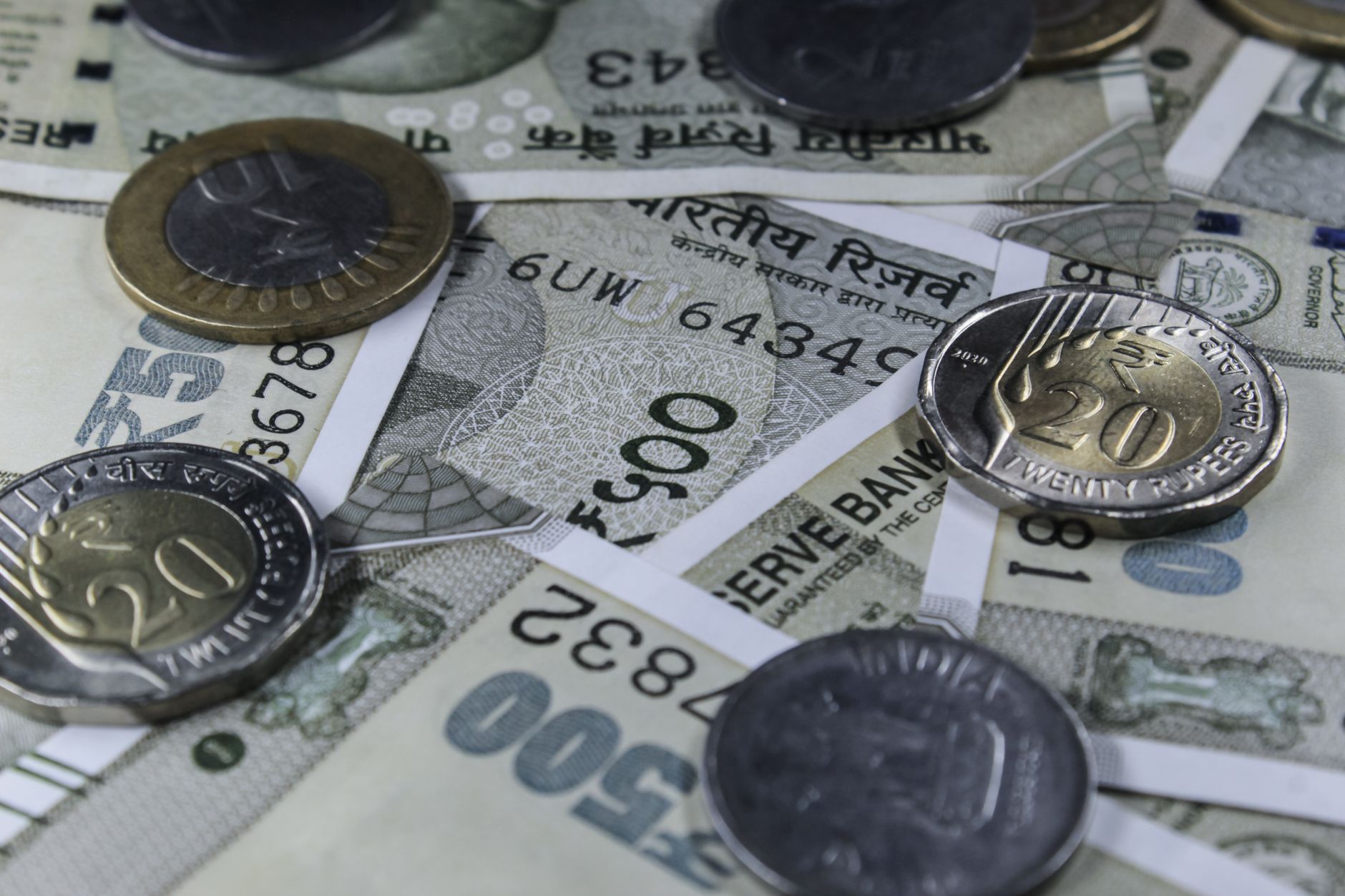
RBI Rupee measures are designed to provide short-term relief amid global headwinds. These strategies aim to stabilize the currency and support the economy during turbulent times.
Understanding the RBI’s Rupee Measures
The Reserve Bank of India (RBI) has implemented a series of measures aimed at stabilizing the rupee amidst growing global economic uncertainties. These RBI rupee measures are designed to address the volatility in the currency market and provide short-term relief to businesses and consumers alike.
One of the key strategies has been the intervention in the foreign exchange market. By selling foreign currency reserves, the RBI aims to curb excessive depreciation of the rupee. This approach has been particularly crucial as the Indian economy faces challenges from rising oil prices and fluctuating international markets.
In addition to direct intervention, the RBI has also adjusted interest rates and modified liquidity measures. These adjustments are intended to manage inflation while ensuring that the financial system remains stable. Furthermore, the RBI has encouraged banks to maintain higher levels of foreign currency assets, enhancing their ability to respond to currency fluctuations.
Investors and market analysts are closely monitoring these RBI rupee measures, as they play a significant role in determining the overall economic outlook. While these initiatives offer some respite, the long-term effectiveness will depend on the global economic environment and the RBI’s ability to react to ongoing challenges.
Ultimately, the RBI’s proactive approach aims to bolster confidence in the rupee and safeguard the economy from external shocks.
Impact of Global Headwinds on Currency
The impact of global headwinds on currency has become increasingly pronounced, especially for emerging markets like India. The RBI’s Rupee measures aim to mitigate these effects, but various external factors continue to challenge the stability of the Indian Rupee.
One major factor is the fluctuating prices of crude oil. As India relies heavily on oil imports, any increase in global oil prices can lead to a depreciation of the Rupee. Additionally, geopolitical tensions and trade wars can create uncertainty, which often results in capital outflows from emerging markets.
Another critical element is the monetary policy decisions made by major central banks, such as the US Federal Reserve. When the Fed raises interest rates, it can lead to a strengthening of the US dollar, putting further pressure on the Rupee. Investors may shift their assets towards safer markets, leaving emerging economies vulnerable.
Moreover, the ongoing effects of the pandemic have disrupted global supply chains, causing inflationary pressures that also influence currency valuations. In this context, the RBI’s Rupee measures provide short-term relief, but the long-term resilience of the currency will depend on how effectively these global headwinds are managed.
In summary, while the RBI’s Rupee measures offer some support, the challenges posed by external factors require a comprehensive approach to ensure currency stability.
Short-Term Relief Strategies Explained
The Reserve Bank of India’s (RBI) recent rupee measures aim to provide immediate relief to the currency amid ongoing global economic challenges. These strategies are designed to stabilize the rupee and restore investor confidence.
Some of the key short-term relief strategies include:
- Foreign Exchange Intervention: The RBI may intervene in the foreign exchange market to prevent excessive volatility and support the rupee’s value against major currencies.
- Adjusting Interest Rates: By altering interest rates, the RBI can influence capital flows, attracting foreign investment and strengthening the rupee.
- Liquidity Management: The RBI can manage liquidity in the banking system, ensuring that the currency remains liquid and accessible for trade and investment.
- Increase in Forex Reserves: Building up foreign exchange reserves can act as a buffer against external shocks, providing the RBI with more tools to defend the rupee.
These RBI rupee measures are intended to mitigate short-term pressures, allowing the currency to gain stability while longer-term solutions are developed to address underlying economic issues. Investors and businesses are advised to stay informed about these strategies as they navigate the current financial landscape.
How RBI’s Measures Affect the Economy
The Reserve Bank of India (RBI) has implemented various measures to stabilize the rupee, which play a crucial role in shaping the country’s economic landscape. These RBI rupee measures are designed to mitigate volatility and ensure a more predictable environment for businesses and consumers.
One significant way these measures affect the economy is through their influence on inflation. When the rupee depreciates, import costs rise, leading to higher prices for goods and services. The RBI’s interventions aim to curb this effect and maintain price stability. As a result, consumers may feel less pressure from rising costs, which can bolster consumer confidence and spending.
Additionally, the RBI’s rupee measures can impact foreign investment. A stable currency often attracts foreign investors looking for a safe environment for their capital. When the rupee’s value is maintained, it signals to investors that the Indian market is resilient, potentially leading to increased investments in various sectors.
However, these measures are not without challenges. The central bank must balance the need for currency stability with the risk of creating distortions in the market. Over-reliance on interventions could lead to complacency among businesses and a lack of necessary adjustments to changing economic conditions.
In conclusion, the RBI rupee measures play a vital role in maintaining economic stability, influencing inflation, and attracting foreign investment.
Expert Opinions on RBI’s Actions
Experts in the finance sector have been closely analyzing the recent RBI Rupee measures and their implications for the Indian economy. According to Dr. Aditi Mehta, an economist at the National Institute of Finance, these measures are essential to stabilize the currency amidst growing global uncertainties. She notes, “The RBI’s proactive approach in managing the rupee showcases its commitment to maintaining economic stability.”
Furthermore, Rajesh Kumar, a senior analyst at a leading financial consultancy, emphasizes the importance of these measures in providing short-term relief. “While the global headwinds are challenging, the RBI’s interventions can help insulate the economy from immediate shocks,” he explains. Kumar also suggests that these strategies not only protect against depreciation but also instill confidence among investors.
However, some experts caution against relying solely on these measures. Dr. Neha Sharma, a renowned financial strategist, warns that while the RBI’s actions are necessary, they should be complemented by structural reforms. “Long-term stability will require a multifaceted approach involving fiscal discipline and investment in technology,” she asserts.
Overall, the consensus among analysts is that the RBI’s Rupee measures are a crucial step in addressing current challenges, but should be part of a broader strategy to ensure sustained economic growth.
Future Outlook for the Rupee
The future outlook for the rupee remains a topic of considerable interest among economists and investors alike. As the RBI continues to implement various RBI Rupee measures, the effectiveness of these strategies in stabilizing the currency will be closely monitored in the coming months.
Analysts predict that the rupee may face ongoing challenges due to several factors, including fluctuating oil prices, geopolitical tensions, and changing monetary policies in major economies. To navigate these uncertainties, the RBI is likely to adopt a multifaceted approach that combines market interventions with strategic partnerships and collaborations.
In the short term, the implementation of supportive measures may lead to a temporary strengthening of the rupee. However, sustained recovery will depend on broader economic reforms and increased foreign investment in the country. Here are some potential strategies that could shape the rupee’s future:
- Enhancing foreign exchange reserves to buffer against volatility
- Encouraging exports to improve trade balances
- Attracting more foreign direct investment to boost economic growth
- Implementing policy measures to reduce inflationary pressures
As these dynamics unfold, market participants will need to remain vigilant and adaptable in their strategies to mitigate risks associated with currency fluctuations.
Investors should closely monitor RBI Rupee measures, as they play a crucial role in stabilizing the currency. Implementing proven strategies in response to RBI Rupee measures can enhance investment outcomes.
Photo by Ravi Roshan on Pexels
Read the original
R.K. Fashion Accessories IPO: Clear Listing Price Insights · DMart Q2 results: What are the proven insights from profit rise? · Market nearing a bottom: Proven signs of attractive valuations