
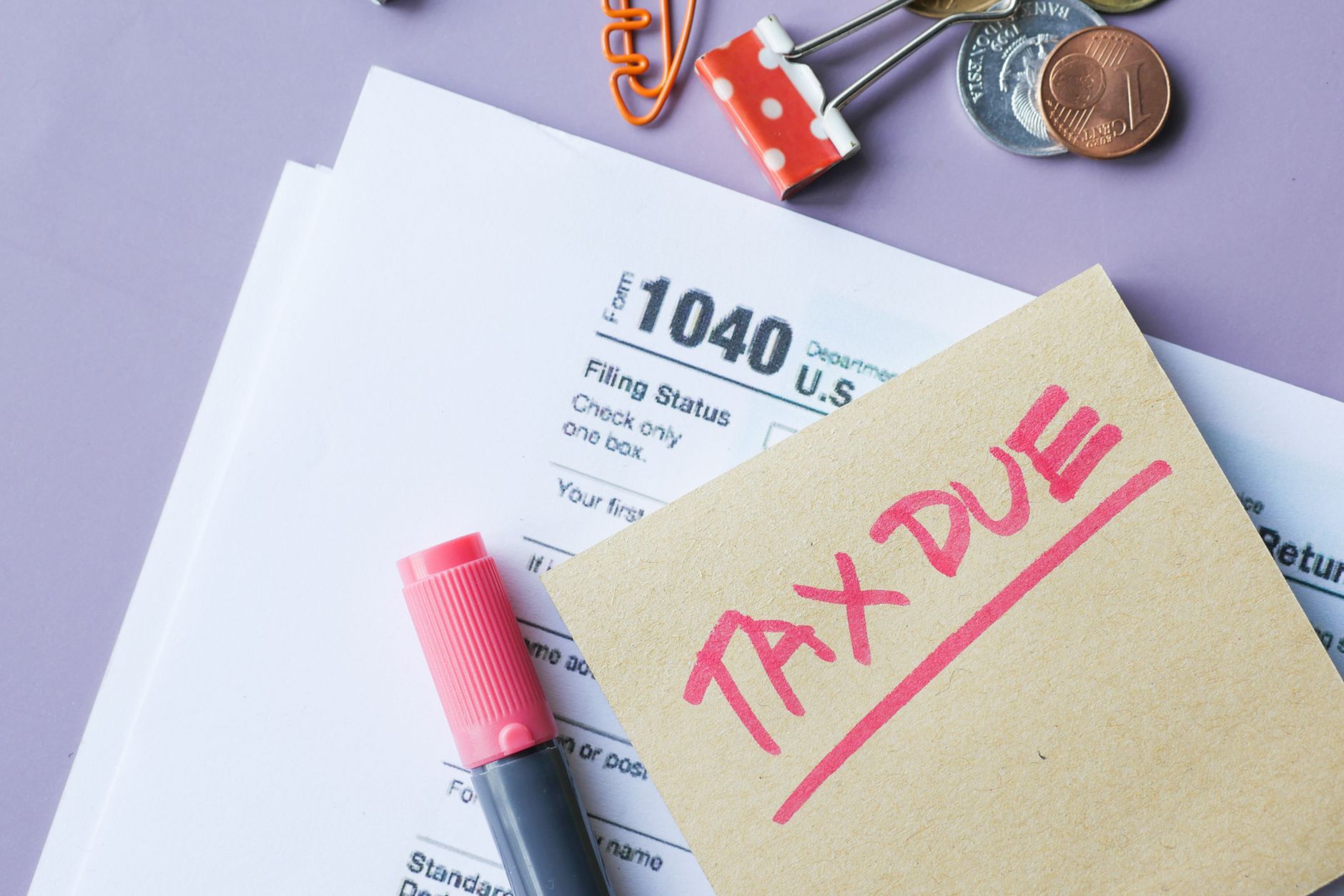
Tax penalty on civil service pensions has been scrapped, providing relief for many retirees. This recent budget decision marks a significant change in financial planning for civil servants and their families.
Overview of the Budget Changes
The recent budget announcement has introduced significant changes that affect civil service pensions, notably the elimination of the tax penalty on civil service pensions and death benefits. This decision has been met with widespread approval from public sector employees and their advocates, who argue that the previous tax penalty was both unfair and detrimental to the financial well-being of retirees.
The two-year tax penalty had imposed additional financial burdens on those who had dedicated their careers to public service, resulting in reduced benefits for retirees. By scrapping this penalty, the government aims to rectify the financial inequities faced by civil service employees, ensuring that they receive the pensions they rightfully earned.
Key highlights of the budget changes include:
- Removal of the tax penalty: This crucial change means that retirees will no longer face reductions in their pension benefits due to tax liabilities.
- Increased financial security: With the tax burden lifted, many civil service retirees can look forward to a more secure financial future.
- Support for beneficiaries: The removal of the penalty also extends to death benefits, providing greater protection for families of deceased civil servants.
This overhaul represents a significant step towards recognizing the sacrifices made by civil servants and ensuring that their contributions are honored in retirement without the added stress of a tax penalty on civil service pensions.
Impact on Civil Service Retirees
The recent decision to eliminate the tax penalty on civil service pensions marks a significant shift for retirees in the sector. This change is expected to have a profound impact on civil service retirees who have faced financial uncertainty due to the previously enforced two-year tax penalty.
Many retirees have expressed relief at the news, as the removal of this tax burden will allow them to retain more of their hard-earned benefits. The financial implications are particularly important for those who depend heavily on their pensions for day-to-day living expenses.
According to experts, the scrapping of the tax penalty will:
- Enhance Financial Security: Retirees will experience improved financial stability, enabling them to manage their budgets more effectively.
- Encourage Spending: With additional funds available, retirees may contribute more to the economy through increased spending.
- Reduce Stress: The removal of the tax penalty on civil service pensions will alleviate worries related to financial planning and retirement savings.
Furthermore, this move is seen as a recognition of the contributions made by civil servants throughout their careers. It reinforces the government’s commitment to supporting those who have dedicated their lives to public service. Overall, the repeal of the tax penalty symbolizes a positive change for civil service retirees, allowing them to enjoy their retirement years without the shadow of unnecessary financial burdens.
Understanding Death Benefits
The recent budget revision has brought significant changes regarding death benefits associated with civil service pensions. Previously, beneficiaries of civil service pensions faced a two-year tax penalty on these benefits, which often placed a considerable financial burden on grieving families. With the removal of this tax penalty on civil service pensions, families can now receive their entitled benefits without the added stress of immediate taxation.
Understanding the implications of this change is crucial for both current retirees and their beneficiaries:
- Immediate Financial Relief: Families will gain access to death benefits without the hindrance of a two-year wait period for tax-free payments.
- Enhanced Planning: This adjustment allows families to better plan their finances during a difficult time, ensuring they can meet immediate needs without worrying about tax liabilities.
- Broader Access: More beneficiaries will now find themselves eligible for these benefits, particularly those who may have previously overlooked the financial implications of the tax penalty.
Overall, the scrapping of the tax penalty on civil service pensions and associated death benefits represents a thoughtful adjustment aimed at supporting families during their most vulnerable moments. As the policy takes effect, it is expected to ease the financial strain on many families who rely on these benefits to navigate their loss.
Future Implications for Pensions
The recent decision to eliminate the tax penalty on civil service pensions marks a significant shift in the treatment of retirement benefits for public sector employees. This change not only alleviates financial burdens for current retirees but also sets a precedent for future pension policies. As more individuals enter the workforce with the expectation of stable retirement plans, the removal of this tax penalty could enhance job satisfaction and retention within the civil service.
Furthermore, the implications of this policy shift extend beyond immediate financial relief. With the tax penalty on civil service pensions now scrapped, we can expect to see an increase in the attractiveness of public sector careers. This could lead to a more robust pipeline of talent entering the civil service, essential for maintaining the quality of public services.
Additionally, as public awareness grows regarding the benefits of a career in civil service, there may be a broader discussion about the sustainability of pension plans. Lawmakers and policymakers may be encouraged to reconsider other aspects of pension management, ensuring that they remain viable for future generations.
In summary, the removal of the tax penalty on civil service pensions heralds a new era of pension management that prioritizes the financial well-being of retirees. This change could encourage younger workers to pursue careers in public service, ultimately benefiting society as a whole.
Photo by Towfiqu barbhuiya on Pexels
Read the original
Related stories
- Federal Tax Policy: The Right Approach for 2026 Elections
- AMG Q3 earnings: Are They the Best Results Yet?
- HDFC Securities stock picks: Best Proven Investments for 2023