
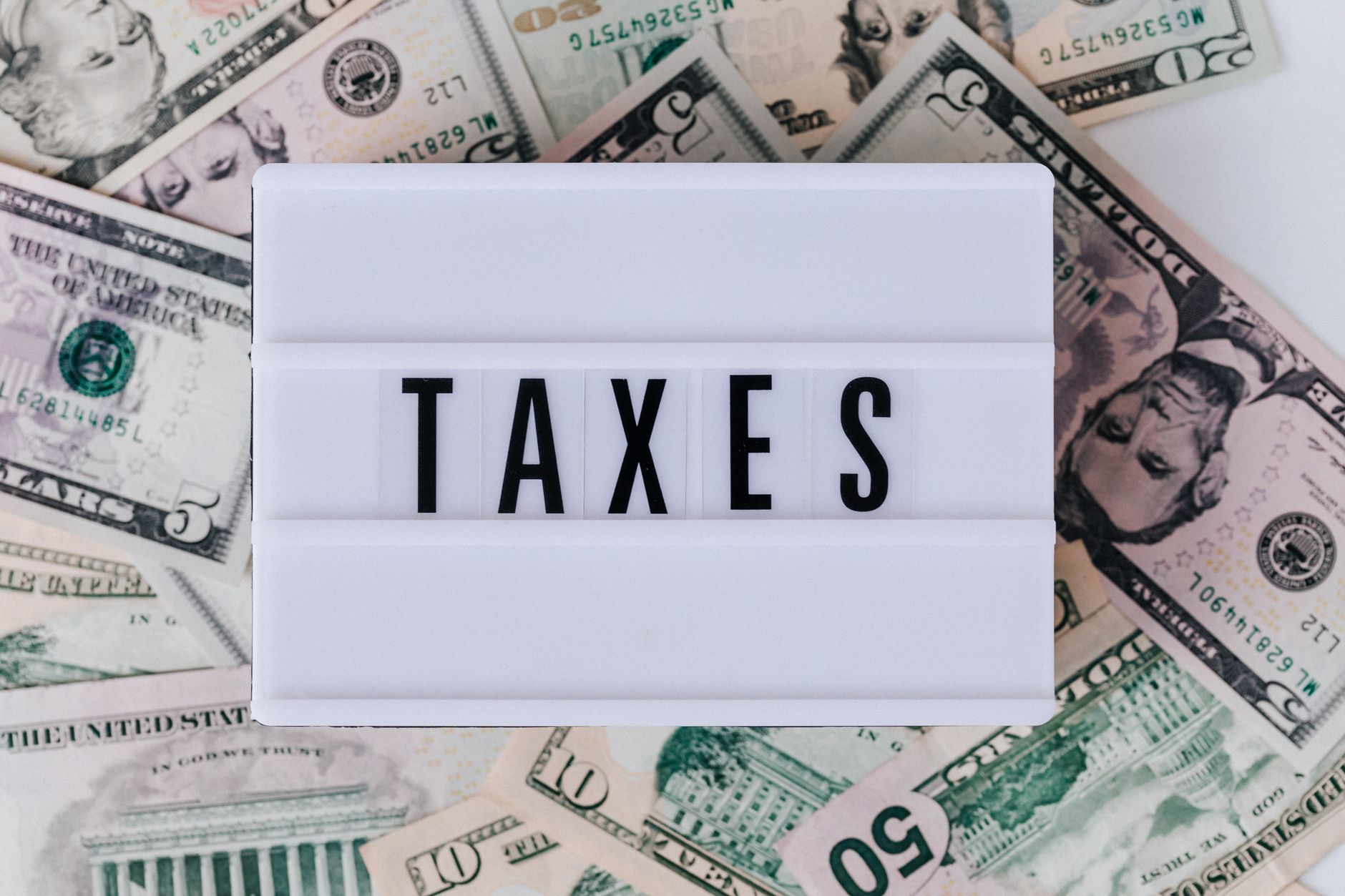
Federal tax policy is a vital topic as we approach the 2026 elections. Understanding its implications can help voters make informed decisions.
Overview of Federal Tax Policy Changes
The landscape of federal tax policy is undergoing significant changes as the 2026 elections approach. This evolving framework is set to influence various sectors, from agriculture to technology, and could redefine the economic strategies of numerous stakeholders.
Key aspects of the upcoming tax policy changes include:
- Tax Incentives: New incentives are being proposed to encourage investment in renewable energy and sustainable farming practices.
- Corporate Tax Rates: Discussions are ongoing regarding potential adjustments to corporate tax rates aimed at stimulating economic growth.
- Individual Tax Reforms: Revisions to individual tax brackets could impact middle-class families, increasing their disposable income.
- Deductions and Credits: Changes to existing deductions and credits are anticipated to streamline the tax filing process and reduce burden on taxpayers.
As the political climate heats up, the implications of these changes will be scrutinized closely, with candidates voicing their opinions on how best to shape the future of federal tax policy. The outcome will have lasting effects on the economy and the electorate’s financial well-being.
Impact of Tax Policy on Voters
The upcoming 2026 elections are expected to be heavily influenced by the impact of federal tax policy on voters. As citizens become increasingly aware of how tax legislation affects their daily lives, candidates will need to address these concerns to gain voter support.
Recent surveys indicate that voters prioritize the following issues related to tax policy:
- Economic Growth: Many voters believe that a fair tax system can stimulate economic growth and job creation.
- Equity and Fairness: There is a growing demand for tax policies that ensure wealthier individuals and corporations pay their fair share.
- Public Services: Voters are concerned about how tax revenue is allocated, particularly for essential services like healthcare and education.
- Transparency: A clear understanding of tax policy changes is crucial for voters, as they seek transparency in how decisions are made.
As candidates formulate their strategies, they must recognize that federal tax policy will play a pivotal role in shaping voter opinions and ultimately, the election outcome. Engaging with these concerns will be vital for any party seeking to connect with the electorate.
Key Players in the 2026 Elections
As the 2026 elections approach, several key players are shaping the conversation around federal tax policy. Their positions and strategies will significantly influence voter sentiment and the overall direction of tax reforms.
- Politicians: Candidates from both major parties are crafting their platforms to address public concerns about tax fairness and economic growth. Many are promising to simplify the tax code and close loopholes that benefit the wealthy.
- Advocacy Groups: Organizations advocating for various tax reforms are mobilizing voters. Groups focused on income inequality are pushing for progressive tax policies, while business associations are lobbying for lower corporate taxes.
- Economic Experts: Analysts and economists are providing data-driven insights into the potential effects of proposed tax changes. Their research is crucial for informing both policymakers and the public about the implications of different federal tax policy approaches.
- Voters: Ultimately, the response from the electorate will determine the success of these proposals. Awareness and engagement among voters are essential to ensuring that their needs are reflected in future federal tax policy.
How Tax Policy Affects Personal Finance
The implications of federal tax policy extend deeply into personal finance, shaping the financial landscape for individuals and families across the nation. Understanding how these policies influence daily financial decisions is crucial as the 2026 elections approach.
One of the primary ways tax policy affects personal finance is through income tax rates. Changes in these rates can significantly impact disposable income, altering budgeting and spending habits. When taxes increase, individuals may need to cut back on discretionary spending, while tax cuts can provide families with more room to invest in savings or education.
Additionally, deductions and credits play a vital role in determining net income. For instance, modifications to housing or childcare tax credits can either alleviate or exacerbate financial burdens for many households. Furthermore, capital gains taxes influence investment decisions, driving people to reconsider their financial strategies based on potential returns.
As voters assess candidates’ positions on federal tax policy, they must consider how these decisions will affect their personal finances in the long term. Ultimately, an informed electorate will be better equipped to advocate for policies that align with their financial interests.
Future Predictions for Federal Taxation
As the 2026 elections approach, predictions surrounding federal tax policy are becoming increasingly important for both candidates and voters. Analysts believe that the outcomes of these elections will significantly shape the direction of tax legislation in the coming years. Various factors are expected to influence the future of federal taxation.
- Economic Recovery: With ongoing efforts to stabilize the economy post-pandemic, voters may prioritize candidates who propose tax reforms aimed at stimulating growth.
- Income Inequality: As discussions around wealth distribution continue, candidates advocating for progressive tax policies could resonate with a broad base of voters.
- Corporate Tax Rates: The debate on whether to increase or decrease corporate tax rates is likely to be a central theme, impacting business investment and job creation.
- Environmental Taxes: As climate change becomes a focal point, the implementation of green taxes could attract attention from voters concerned about sustainability.
Overall, the evolving landscape of federal tax policy will play a crucial role in shaping the electoral strategies of candidates and the priorities of voters as the 2026 elections draw near.
Photo by https://kaboompics.com/ on Pexels
Sources
You might also like
AMG Q3 earnings: Are They the Best Results Yet? · HDFC Securities stock picks: Best Proven Investments for 2023 · Bharti Airtel Q2 Results Show Strong Profit Growth