
Most traders enter the options market with a simple objective: profit from prices moving higher or lower. Buying calls during bullish periods and puts during bearish trends is often the starting point for many investors. While these strategies can be effective in certain market conditions, they represent only a small portion of what options trading can actually offer. The real strength of options lies in their flexibility and ability to adapt to different market environments.
As global financial markets become increasingly volatile and interconnected, traders are searching for strategies that provide more control over risk and more ways to generate returns. Professional investors and experienced retail traders frequently use options not just for speculation, but for income generation, portfolio protection, and volatility management. Understanding these broader applications can help traders build more balanced and sustainable approaches to market participation.
Why Advanced Options Strategies Matter
Financial markets rarely move in straight lines. Stocks, indices, and commodities often trade within ranges, react unpredictably to economic news, or experience sudden volatility spikes. Relying only on directional predictions can leave traders exposed when markets behave unexpectedly. Advanced options strategies allow traders to prepare for different outcomes instead of depending entirely on one forecast.
One major advantage of structured options trading is defined risk. Strategies like vertical spreads, iron condors, and butterflies allow traders to know their maximum potential loss before entering a position. This level of control is one reason many institutional investors use options as part of broader portfolio management strategies. Risk management has become increasingly important as traders face uncertainty surrounding inflation, interest rates, and geopolitical developments.
Educational resources have also made advanced strategies more accessible to retail investors. Many traders researching international derivatives markets eventually explore topics such as how to trade options UK to better understand regional exchanges, regulations, and trading opportunities. Expanding knowledge across different markets encourages traders to think more strategically and less emotionally when building positions.
Income Strategies Are Gaining Attention
Not all traders are focused on aggressive price movements. A growing number of investors use options primarily to generate steady income. Covered calls remain one of the most widely used strategies because they allow investors to collect premium income on stocks they already own. During slower or sideways markets, this additional income can help improve overall portfolio performance.
Cash-secured puts are another commonly used strategy among long-term investors. Instead of buying shares immediately, traders sell puts at price levels where they would be comfortable owning the stock. If the option expires worthless, they keep the premium. If shares are assigned, they acquire the stock at a lower effective purchase price. This strategy reflects a disciplined and patient investment mindset rather than short-term speculation.
The rise of income-focused strategies also reflects changing market behaviour. Investors increasingly recognise that markets spend significant time consolidating rather than trending strongly in one direction. In these environments, premium-selling strategies can sometimes provide more consistent results than attempting to predict short-term breakouts or reversals.
Volatility Trading Creates Different Opportunities
Volatility is one of the most important concepts in options trading, yet many beginners overlook its impact. Option prices are heavily influenced not only by market direction but also by changes in implied volatility. A trader may correctly predict a stock’s movement and still lose money if volatility falls sharply after entering a position.
Strategies such as straddles and strangles are designed specifically for volatile conditions. Traders often use these approaches ahead of earnings announcements, central bank meetings, or major economic events where significant price swings are expected. These positions focus less on predicting direction and more on anticipating movement itself.
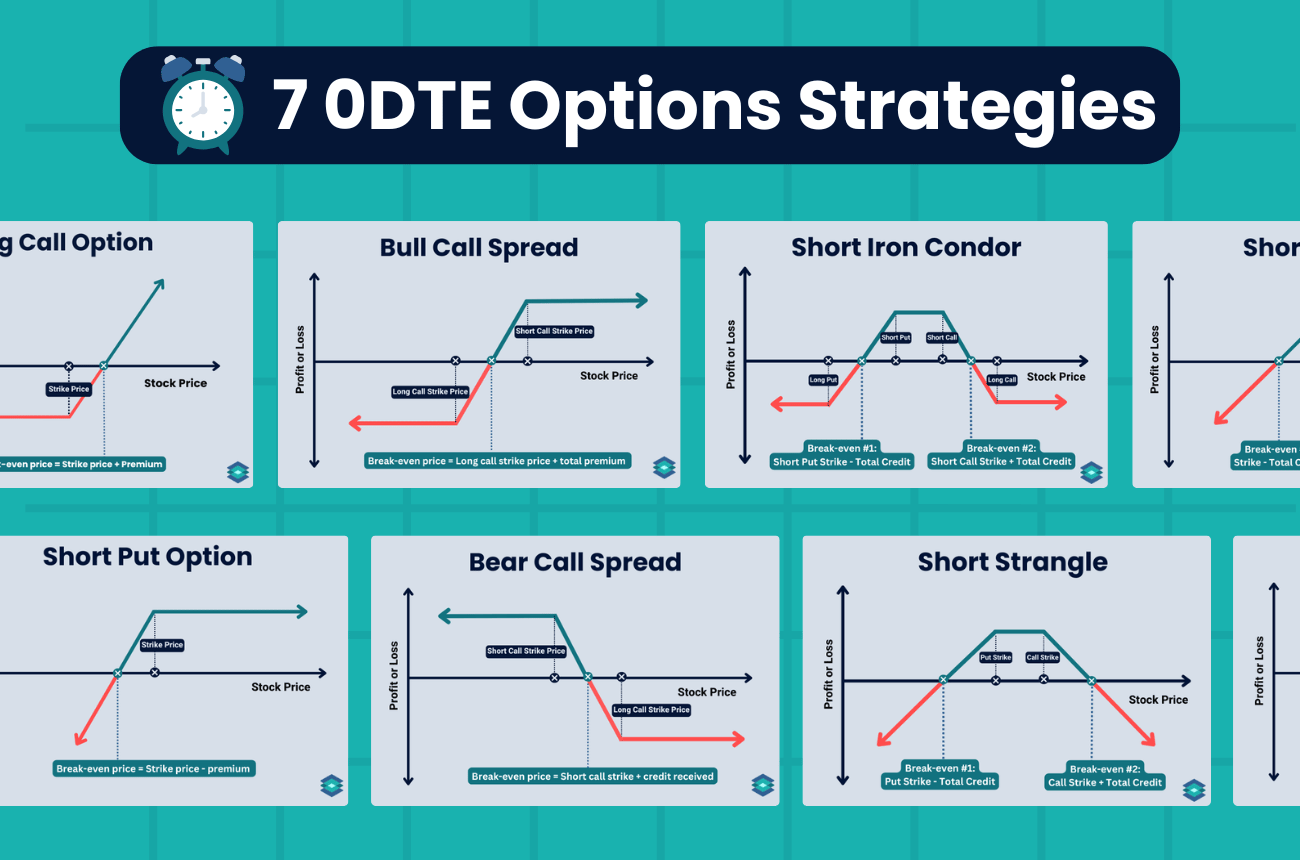
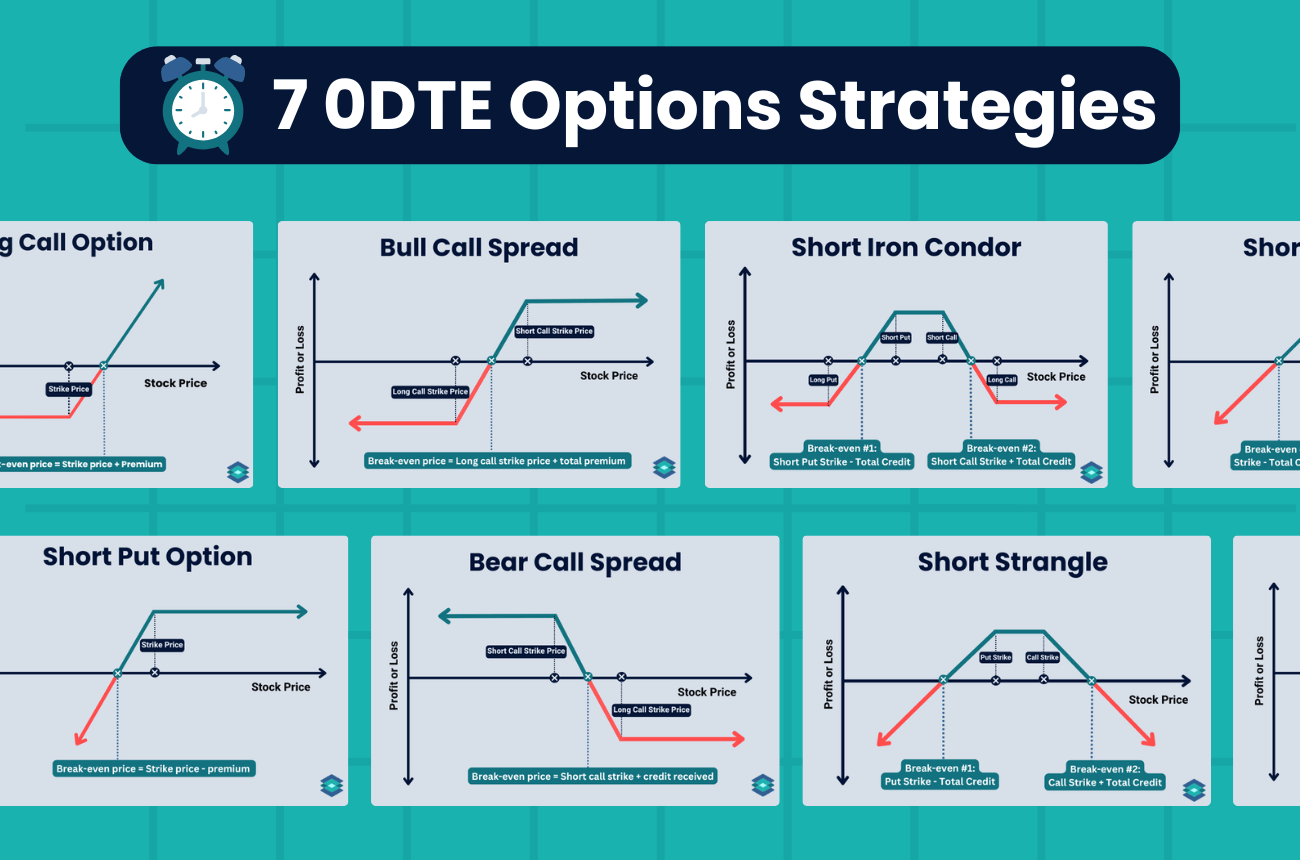
Some traders position themselves to benefit from declining volatility. Iron condors and credit spreads are popular in calmer market environments where prices are expected to remain within defined ranges. These strategies aim to profit from time decay and stable market conditions while maintaining controlled risk exposure. Understanding volatility allows traders to approach the market with more flexibility and a deeper understanding of option pricing dynamics.
Risk Management Defines Long-Term Success
One of the biggest differences between professional traders and inexperienced market participants is how they manage risk. Successful traders understand that preserving capital is essential for long-term growth. Advanced options strategies are often built around limiting downside exposure while maintaining favourable reward opportunities.
Position sizing plays a critical role in this process. Even the strongest strategy can fail if too much capital is placed into a single trade. Experienced traders typically diversify across sectors, expiration dates, and strategy types to avoid excessive concentration risk. Options provide unique flexibility that allows this diversification to be implemented efficiently.
Conclusion
Options trading has evolved far beyond simple bullish or bearish speculation. Modern traders increasingly use options to generate income, manage volatility, protect portfolios, and control risk in uncertain markets. These strategies provide flexibility that traditional stock trading alone often cannot match.
As financial education continues to improve and access to global markets expands, traders are becoming more strategic in how they approach derivatives. The most successful participants are often those who focus less on predicting every market move and more on building structured positions that align with probabilities and long-term objectives.