
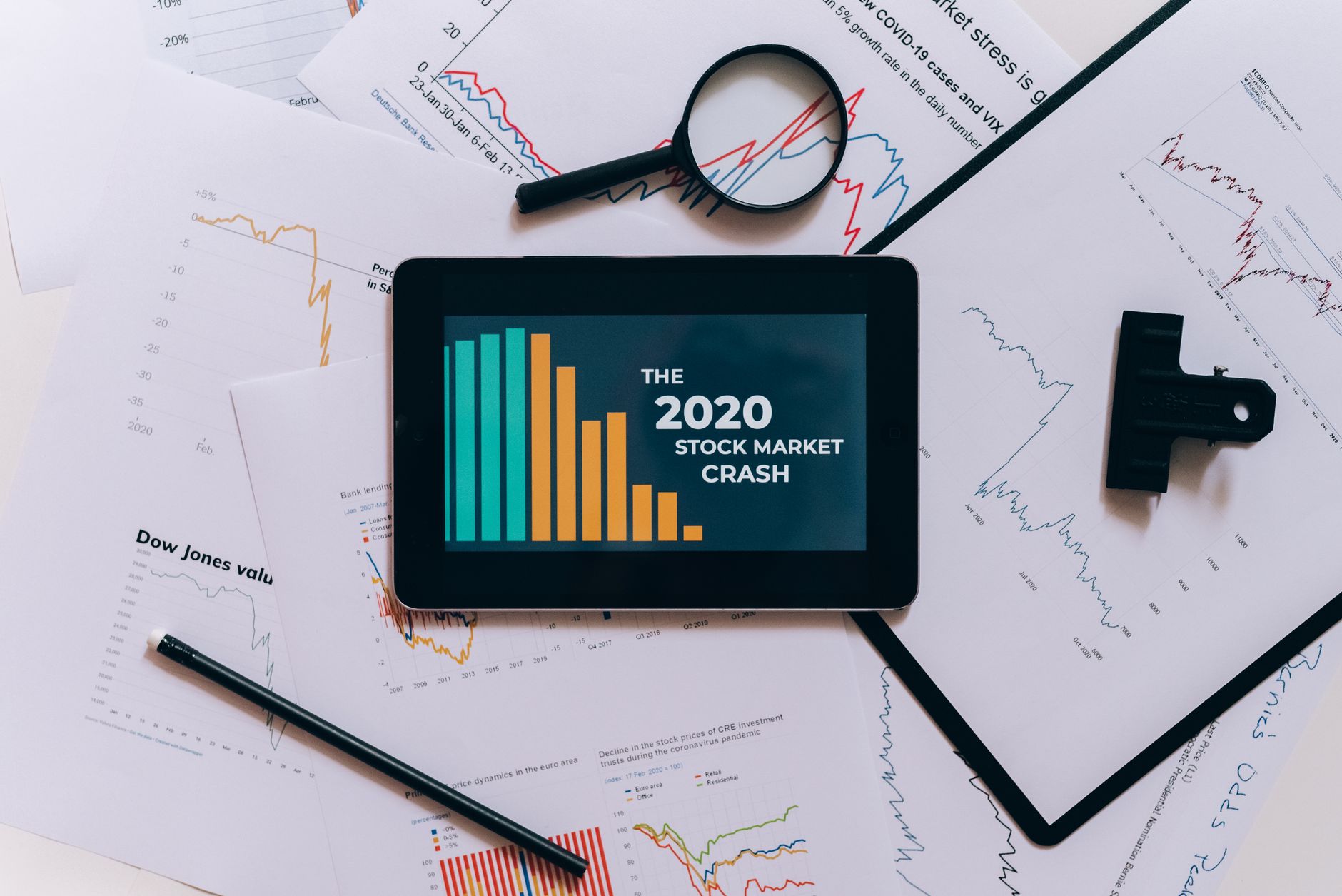
Sensex market crash has resulted in a staggering drop of 1,045 points today, causing widespread concern among investors and analysts alike.
Understanding the Sensex market crash
The recent Sensex market crash has left investors and analysts in shock as the index plummeted by 1,045 points, marking one of the worst drops in recent history. The decline has raised concerns about the overall stability of the financial markets, with many attributing the crash to a combination of global economic factors and domestic challenges.
Several key factors contributed to this drastic decline:
- Global Economic Uncertainty: The ongoing geopolitical tensions and inflationary pressures have caused a ripple effect across international markets, impacting investor sentiment.
- Interest Rate Hikes: Anticipation of increased interest rates by central banks has led to a cautious approach among investors, prompting sell-offs in equity markets.
- Sector-Specific Weakness: Certain sectors, particularly technology and financial services, have faced significant headwinds, contributing to the overall downturn.
As the Sensex market crash unfolds, market participants are closely monitoring the situation. Analysts suggest that while volatility is expected in the short term, long-term investors may find opportunities as valuations become more attractive.
The market’s response to these challenges will be crucial in determining its recovery trajectory in the coming weeks and months.
Impact on Nifty and other indices
The recent Sensex market crash has had a significant ripple effect on various stock indices, most notably the Nifty. As the Sensex plummeted by 1,045 points, the Nifty also faced a steep decline, dropping over 370 points, marking one of the worst trading days in recent memory.
Analysts attribute this downturn to a combination of factors, including:
- Global economic uncertainty: Concerns regarding inflation and potential interest rate hikes are weighing heavily on investor sentiment.
- Investor panic: The sudden drop has led many investors to sell off their holdings, fearing further losses.
- Sector-wide impact: Almost all sectors were hit, with banking, technology, and automobile stocks suffering the most significant losses.
Market experts warn that if the current trend continues, it could lead to further instability across different indices. The Nifty’s performance is closely monitored, as it often reflects the broader market sentiment. Investors are advised to exercise caution in these turbulent times and consider the long-term implications of their investment strategies.
As traders reassess their positions, the overall sentiment remains cautious, with many looking for signs of recovery in the coming days.
Reasons behind today’s market decline
The recent Sensex market crash has been attributed to a combination of several factors impacting investor sentiment and market stability. Analysts suggest that the following reasons played a significant role in today’s alarming decline:
- Global Economic Uncertainty: Ongoing concerns regarding inflation rates and central bank policies across major economies have resulted in heightened volatility in global markets.
- Rising Interest Rates: Anticipation of increased interest rates by the Reserve Bank has led to fears of reduced liquidity, prompting many investors to pull back their investments.
- Profit Booking: After a prolonged bullish trend, many institutional and retail investors opted to book profits, leading to a sharp sell-off.
- Geopolitical Tensions: Escalating tensions in various regions have raised worries about the potential economic fallout, further spooking investors.
- Sector-Specific Issues: Key sectors such as technology and finance faced significant setbacks, impacting overall market performance and contributing to the steep decline.
Market experts emphasize that such fluctuations are not uncommon; however, the scale of the Sensex market crash today has left many investors anxious and uncertain about the future trajectory of the markets.
Historical context of market crashes
The current Sensex market crash marks a significant event in the history of Indian stock markets, evoking memories of past downturns that have shaped investor sentiment and economic policies. Historical analysis shows that market crashes often arise from a combination of internal and external factors, leading to a rapid loss of investor confidence.
In the early 2000s, for example, the dot-com bubble burst led to a severe downturn in equities, with the Sensex plummeting dramatically over several months. Similarly, the global financial crisis of 2008 saw the Sensex crash from over 20,000 points to below 9,000, wiping out billions in market capitalization.
Market crashes have also been influenced by political instability, economic policies, and global economic conditions. Notably, the 2016 demonetization announcement triggered a significant market reaction, although it did not result in a prolonged crash. Investors often look towards historical data to gauge the potential recovery times and impacts of such crashes on their portfolios.
As the current Sensex market crash unfolds, analysts and investors are keenly observing market behavior, drawing parallels with previous downturns to understand potential recovery trajectories and the broader implications for the Indian economy.
What investors should consider now
In light of the recent Sensex market crash, investors are urged to reevaluate their strategies and make informed decisions moving forward. Here are some key considerations:
- Stay Calm: Emotional reactions can lead to impulsive decisions. It’s essential to remain level-headed and not rush to sell off assets at a loss.
- Diversify Investments: Diversification can mitigate risks. Consider spreading investments across different sectors and asset classes to shield against future downturns.
- Long-Term Perspective: Market fluctuations are part of investing. Focusing on long-term goals rather than short-term volatility can help investors ride out the storm.
- Research and Analysis: Take the time to understand the market dynamics and the specific factors contributing to the crash. This knowledge can foster better decision-making.
- Consult Financial Advisors: Seeking guidance from financial professionals can provide valuable insights and strategies tailored to individual risk tolerance and goals.
- Monitor Economic Indicators: Keeping an eye on economic data, policy changes, and global events can help investors anticipate future market movements.
Ultimately, understanding the implications of the Sensex market crash can empower investors to navigate the current landscape more effectively.
Future outlook for Indian markets
The recent Sensex market crash has left investors and analysts grappling with uncertainty regarding the future of Indian markets. Experts suggest that the upcoming weeks will be crucial in determining whether this decline is a temporary setback or a sign of deeper economic issues.
Several factors could influence market recovery:
- Global Economic Trends: The performance of international markets, particularly in the United States and Europe, will play a significant role. A stabilization or rebound in these markets may provide the much-needed support for the Sensex.
- Policy Interventions: Government and Reserve Bank of India (RBI) actions to bolster economic confidence can help mitigate the psychological impact of the crash. Investors are keenly watching for any stimulus measures or monetary policy adjustments.
- Corporate Earnings Reports: Upcoming quarterly earnings reports will be pivotal in assessing the health of various sectors. Positive results may instill confidence among investors.
- Investor Sentiment: The mood of retail investors will also be crucial. A swift recovery in sentiment could lead to increased buying activity, potentially reversing some losses.
In conclusion, while the Sensex market crash has raised alarms, the path forward remains uncertain and will depend on both domestic and global developments.
Photo by Leeloo The First on Pexels
Read the original
Related reading
RBI terminal repo rate: Best predictions from BofA and HSBC · Lending rates hike: Is it the right time to borrow? · Bitcoin rally failure: The Worst Reasons Explained Clearly