
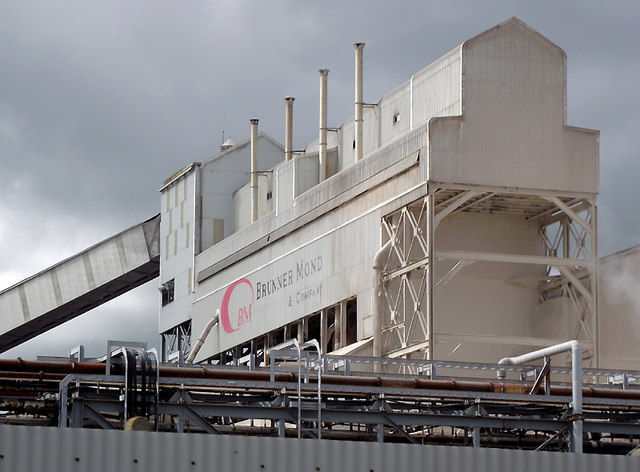
Tata steel takeover is making headlines as the company forges ahead with a bold acquisition strategy. This move is set to transform the steel industry in India.
Overview of Tata’s Acquisition Strategy
Tata Steel’s recent takeover is a bold move that reflects its aggressive acquisition strategy aimed at strengthening its position in the global market. This strategy is characterized by a series of calculated decisions that prioritize long-term growth and sustainability.
The acquisition aims to enhance Tata Steel’s operational capabilities and increase its production capacity. By integrating the resources of the acquired entity, Tata Steel plans to:
- Expand its market reach: The takeover will allow Tata Steel to access new markets and diversify its customer base.
- Improve efficiency: By streamlining operations, Tata Steel can reduce costs and improve profit margins.
- Leverage technology: The acquisition will provide Tata Steel with advanced technologies that can boost productivity.
Moreover, this takeover aligns with Tata Steel’s vision of becoming a leader in sustainable steel production. The company is committed to investing in eco-friendly practices, making the takeover not just a business maneuver but also a step towards responsible corporate governance.
The implications of Tata’s steel takeover extend beyond mere financial metrics, potentially transforming the Indian steel industry landscape.
Impact on the Indian Steel Market
The recent Tata steel takeover is poised to significantly impact the Indian steel market, reshaping its competitive landscape. As Tata Steel consolidates its position, several key changes can be anticipated.
- Increased Production Capacity: With the acquisition, Tata Steel is expected to enhance its production capabilities, potentially leading to lower prices for consumers.
- Market Consolidation: The takeover could result in fewer competitors in the market, which may lead to higher profit margins for Tata Steel.
- Investment in Technology: Tata Steel plans to invest in advanced technologies to improve efficiency and sustainability, aligning with global trends towards greener practices.
- Employment Opportunities: The merger may create new job opportunities in the sector, though it may also lead to redundancies as operations are streamlined.
- Impact on Smaller Players: Smaller steel producers may struggle to compete against a larger Tata Steel, potentially leading to market exits.
Overall, the Tata steel takeover represents a pivotal moment for the Indian steel market, with far-reaching implications for competitors, consumers, and the economy at large.
What This Means for Tata’s Future
The recent Tata steel takeover signifies a major shift in the company’s trajectory and ambitions. As Tata Steel positions itself to emerge as a global leader, several implications arise for its future operations and growth strategy.
Firstly, this takeover enhances Tata’s ability to leverage economies of scale, enabling the firm to streamline production and reduce costs. By consolidating resources, Tata Steel can improve efficiency and competitiveness in the market.
Moreover, the acquisition is expected to drive innovation within the company. With an expanded portfolio, Tata Steel can invest in research and development, focusing on sustainable practices and advanced technologies in steel production.
However, this bold move also carries risks. The integration of new operations may pose challenges, including potential disruptions and the need for cultural alignment among employees. Furthermore, the financial implications of the takeover will require careful management to ensure long-term profitability.
As Tata Steel embarks on this ambitious journey, stakeholders will be closely watching how the company navigates these challenges and capitalizes on opportunities brought by the Tata steel takeover.
Expert Opinions on the Takeover
Experts in the field have weighed in on the implications of the Tata steel takeover, offering a range of perspectives on the potential outcomes for the industry and the broader economy. According to Dr. Anjali Verma, an economist specializing in manufacturing, “This acquisition is a bold move for Tata, positioning them as a dominant player in the steel market. However, it raises questions about competition and market dynamics.”
Similarly, Rajesh Kumar, a steel industry analyst, highlighted the strategic benefits: “Tata’s steel takeover could lead to increased efficiency and innovation within the sector. If managed well, this could result in lower costs for consumers.”
On the other hand, some experts express caution. Emily Chen, a market strategist, emphasized the risks involved: “While the takeover might strengthen Tata’s portfolio, it also introduces significant challenges, such as integration issues and potential regulatory scrutiny.”
In conclusion, the consensus among experts is mixed, with many recognizing the potential advantages of Tata’s steel takeover while also acknowledging the hurdles that lie ahead. The coming months will be critical in determining the success of this ambitious move.
Challenges Ahead for Tata
The acquisition of Tata Steel is not without its challenges, as the company navigates a complex landscape in the steel industry. Several factors could impact the success of this takeover, raising questions about its overall viability.
- Market Competition: Tata Steel faces stiff competition from established players, which could hinder its market share expansion.
- Integration Issues: Merging operations, cultures, and management styles from the acquired company while maintaining productivity will be a significant challenge.
- Regulatory Hurdles: The takeover may attract scrutiny from regulators, potentially delaying the process and complicating compliance.
- Financial Strain: The financial implications of the acquisition could put pressure on Tata’s resources, especially if debt levels rise significantly.
- Global Economic Factors: Fluctuating demand for steel and international trade tensions may impact profitability and growth expectations.
As Tata embarks on this ambitious journey, the challenges ahead for Tata Steel are substantial. Addressing these issues effectively will be crucial for ensuring that the takeover is not only a strategic success but also a beneficial move for the Indian economy.
Conclusion: The Future of Steel in India
In conclusion, the Tata steel takeover has sparked significant debate about the future of steel production in India. As Tata Steel integrates its new assets, the focus will be on maximizing operational efficiency and fostering innovation. This acquisition aligns with Tata’s long-term vision of establishing a robust and sustainable steel industry in the country.
While the initial response from market analysts has been cautiously optimistic, several factors will influence the success of this takeover. These include:
- Global Steel Demand: The recovery of demand in international markets will play a crucial role in determining profitability.
- Technological Advancements: Embracing new technologies can lead to more cost-effective production methods.
- Environmental Regulations: Compliance with increasing sustainability measures will be essential for long-term viability.
- Market Competition: How Tata Steel competes against domestic and international players will impact its market position.
Ultimately, the outcome of this ambitious takeover will not only shape Tata Steel’s trajectory but also influence the overall landscape of India’s steel industry for years to come.
The Tata steel takeover has sparked discussions about its potential impact on the Indian economy. Many analysts believe that the Tata steel takeover could lead to increased job opportunities and enhanced production capabilities.
By Roger Kidd via Openverse
References
Related reading
- IIFCL IPO news: Best Proven Opportunities Ahead
- Adani copper supply deal: A Smart Move for India
- Bank Fraud Rules: Proven Strategies for Safer Banking